


What does CF25 means for the future of school design
Every child deserves a school that supports their learning, wellbeing and sense of belonging. While classrooms remain at the heart of education, the spaces around them matter just as much. From outdoor learning and biodiversity to energy performance and adaptability, every design decision plays a part in creating environments where young people can thrive.
The Department for Education’s new CF25 framework reflects this wider understanding of what makes a successful school. Its emphasis on sustainability, wellbeing, landscape and long-term building performance encourages a more holistic approach to education design, recognising that great schools are about much more than the buildings themselves.
Many of these principles have shaped our approach to education projects for years. Rather than treating architecture, landscape and sustainability as separate disciplines, we bring them together from the earliest stages of every project, creating places that respond to the needs of pupils, teachers and the wider community.
Great schools support learning, wellbeing and community
One of the most significant themes within CF25 is the emphasis on designing schools as complete learning environments. Successful schools are shaped not only by the quality of their buildings, but by how architecture, landscape and sustainability come together to support learning, wellbeing and the wider community.
Learning doesn’t stop at the classroom door
The framework encourages designers to consider buildings and outdoor spaces as one. Natural light, accessibility, flexibility and energy performance are just as important as opportunities for outdoor learning, biodiversity and play. When these elements are developed together from the outset, we can create schools that are more inclusive, resilient and inspiring places to learn.
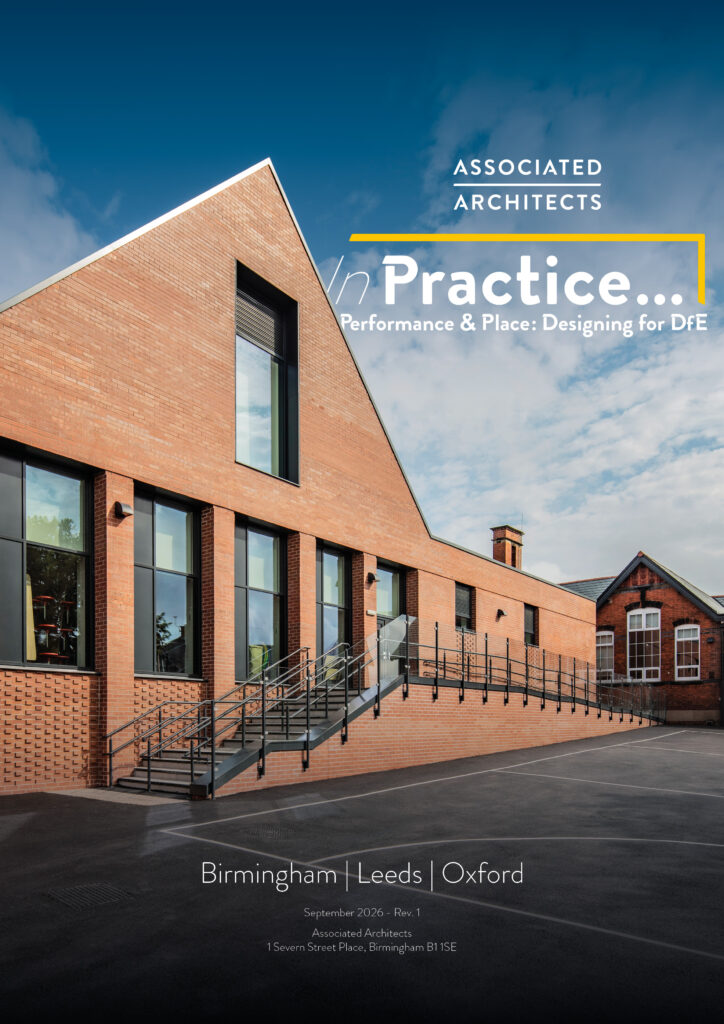
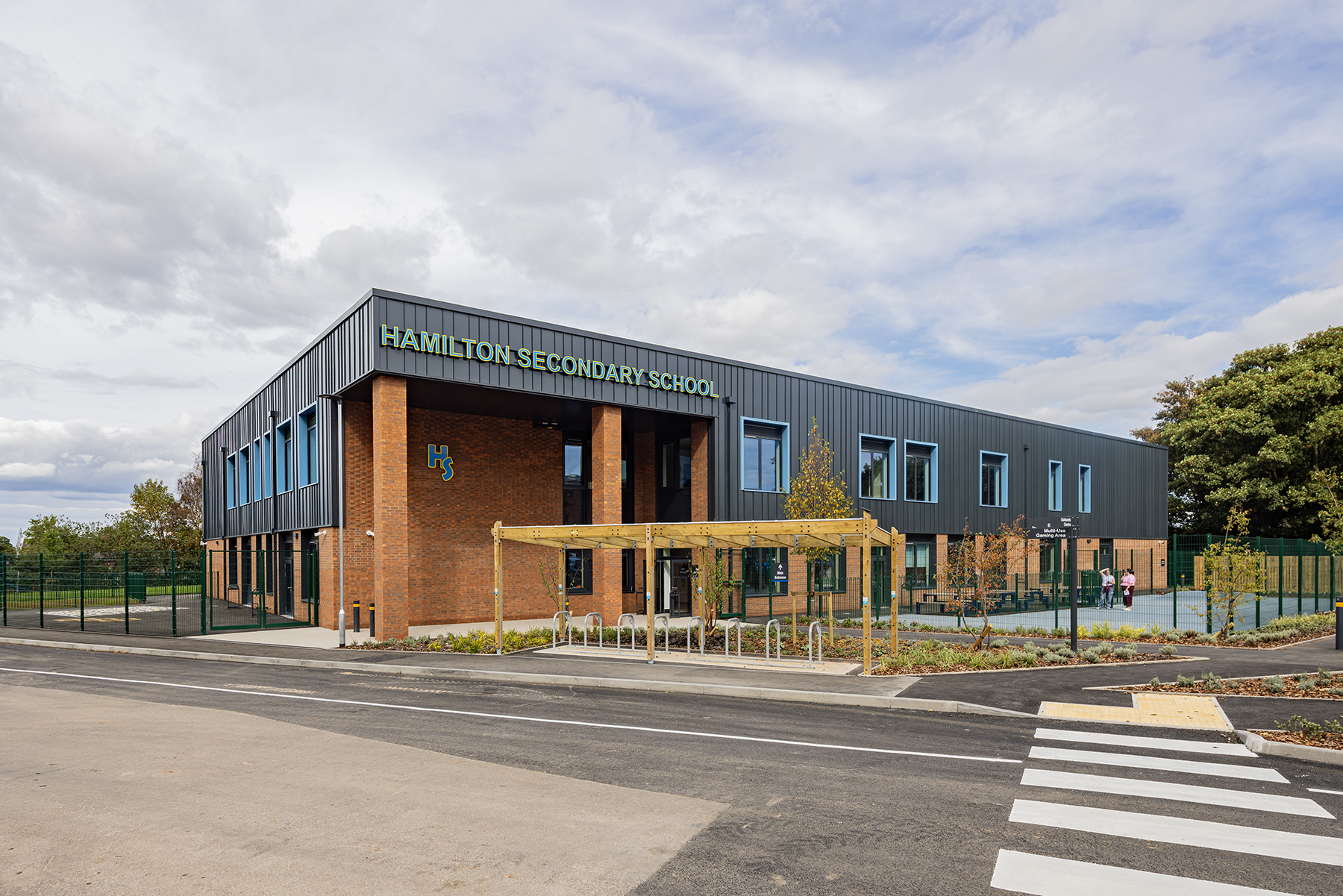
At Associated Architects, our architects and landscape team collaborate from the earliest stages of every project. Schools such as Welsh House Farm Community School and Stow Heath Primary School demonstrate how carefully designed teaching spaces, outdoor learning, biodiversity and sustainable drainage can work together to create environments that enrich everyday school life.
The biggest sustainability decisions happen before construction begins
CF25 also places greater emphasis on how school buildings perform over time. From operational energy use and embodied carbon to daylight, thermal comfort and resilience, the framework recognises that sustainable schools are not defined by a single specification but by the quality of decisions made throughout the design process.
We’ve found that the best outcomes come when sustainability is considered from the very beginning. Early collaboration allows us to balance environmental performance with educational aspirations, creating buildings that are comfortable, efficient and adaptable for future generations of learners.
The best schools are defined by the environments they create
Perhaps the greatest strength of CF25 is that it recognises schools as places that support communities as well as education. They must provide inspiring spaces to learn, welcoming environments for staff and families, and buildings that remain flexible as teaching methods and community needs continue to evolve.
This has long been our ambition across projects ranging from primary schools and SEND facilities to wider education estates. Every project presents its own challenges, but the goal remains the same: to create places that are practical, sustainable and centred on the people who use them every day.
Better outcomes are the result of collaboration
CF25 is an important step forward for education design because it reinforces a simple but powerful idea. The most successful schools are those where buildings, landscape and sustainability work together to create places that inspire learning, support wellbeing and strengthen communities.
As the education sector continues to evolve, thoughtful, collaborative design will play an increasingly important role in helping schools meet the needs of future generations. We welcome the opportunities that CF25 brings and look forward to continuing to create learning environments where people, place and purpose come together.
You can download a PDF version of this Thought Piece below: