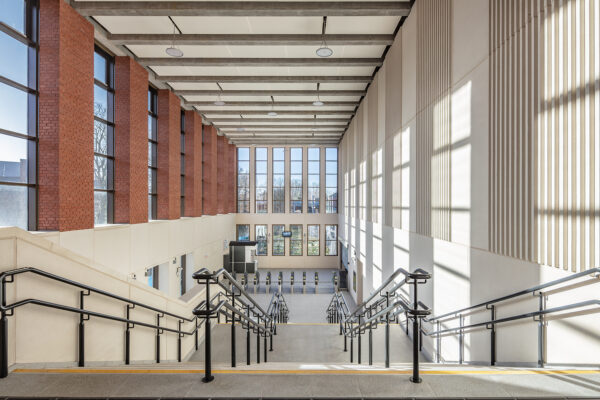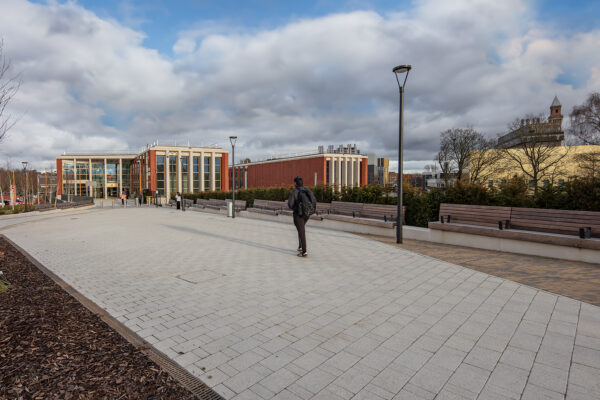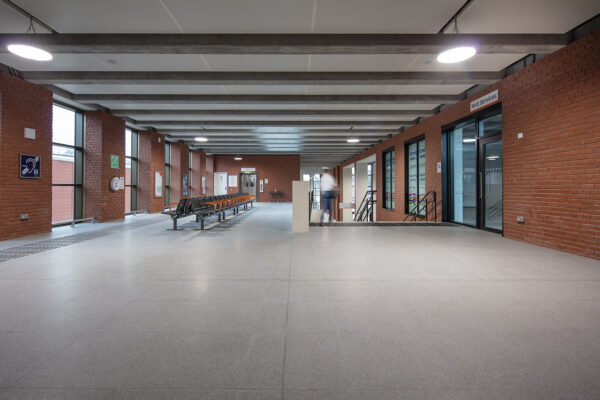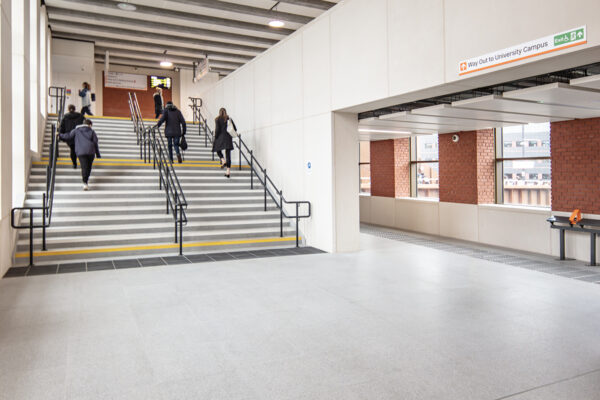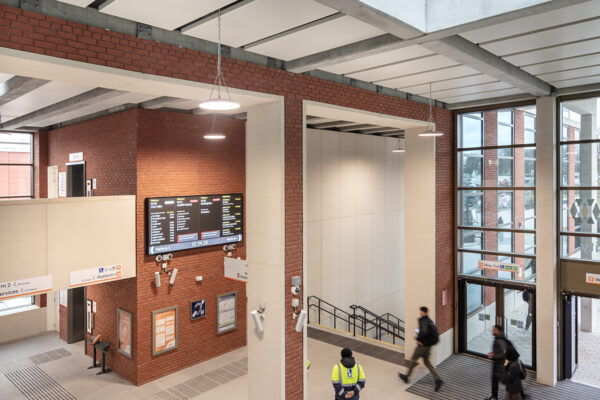


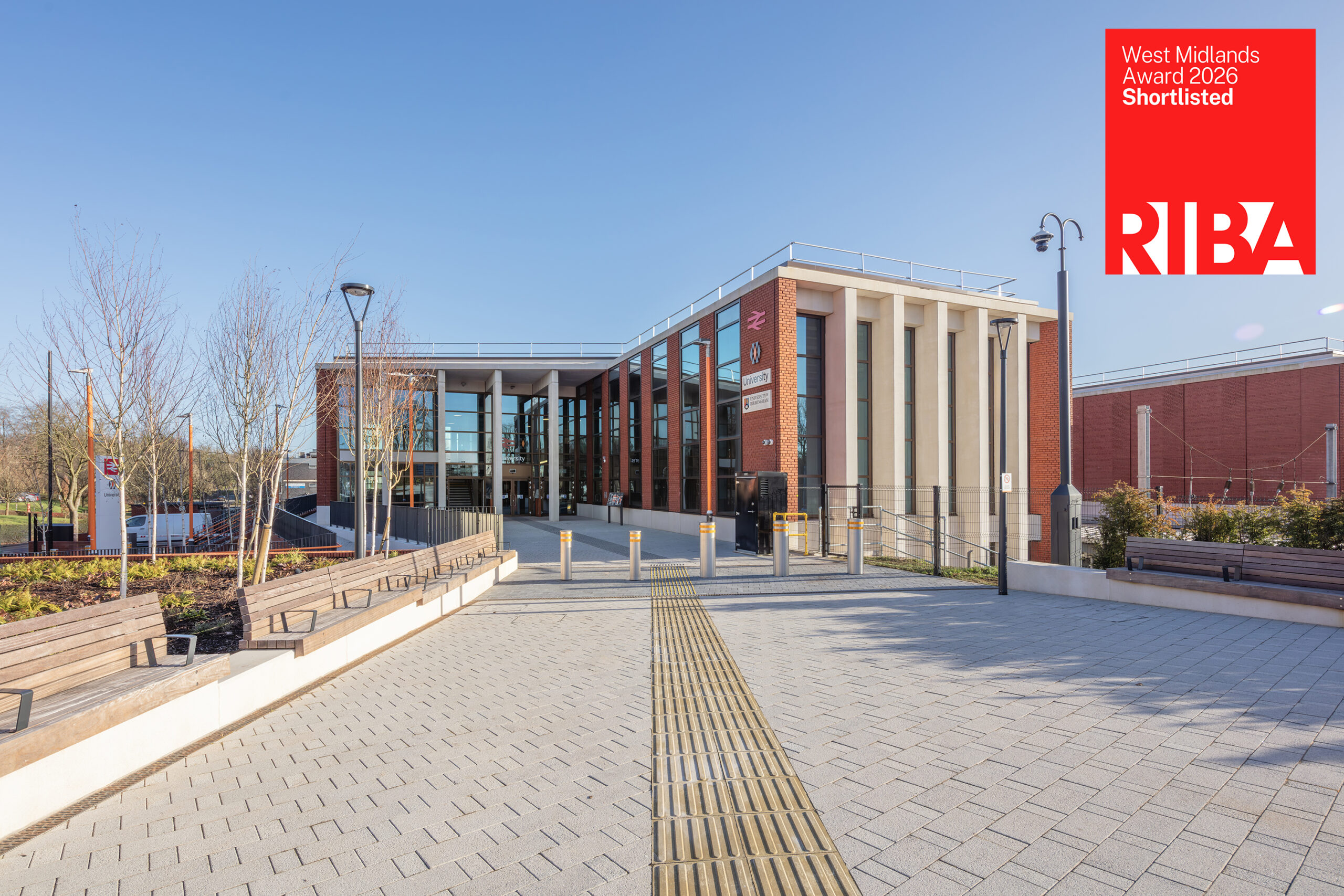
University Station, Birmingham, has been shortlisted for a RIBA West Midlands Award 2026.
Designed by Associated Architects and constructed by VolkerFitzpatrick in collaboration with Mott MacDonald, the station was delivered on behalf of the West Midlands Combined Authority as part of a transformative investment in regional transport infrastructure.
Responding to Growth
Originally opened in 1978, the former station was designed to accommodate approximately 700,000 journeys per year. It now serves up to 3.5 million passengers annually, making it one of the busiest stations in the region.
The new station has been designed to support anticipated growth of up to 7.2 million users per year, reflecting the continued expansion of the University of Birmingham and Queen Elizabeth Hospital.
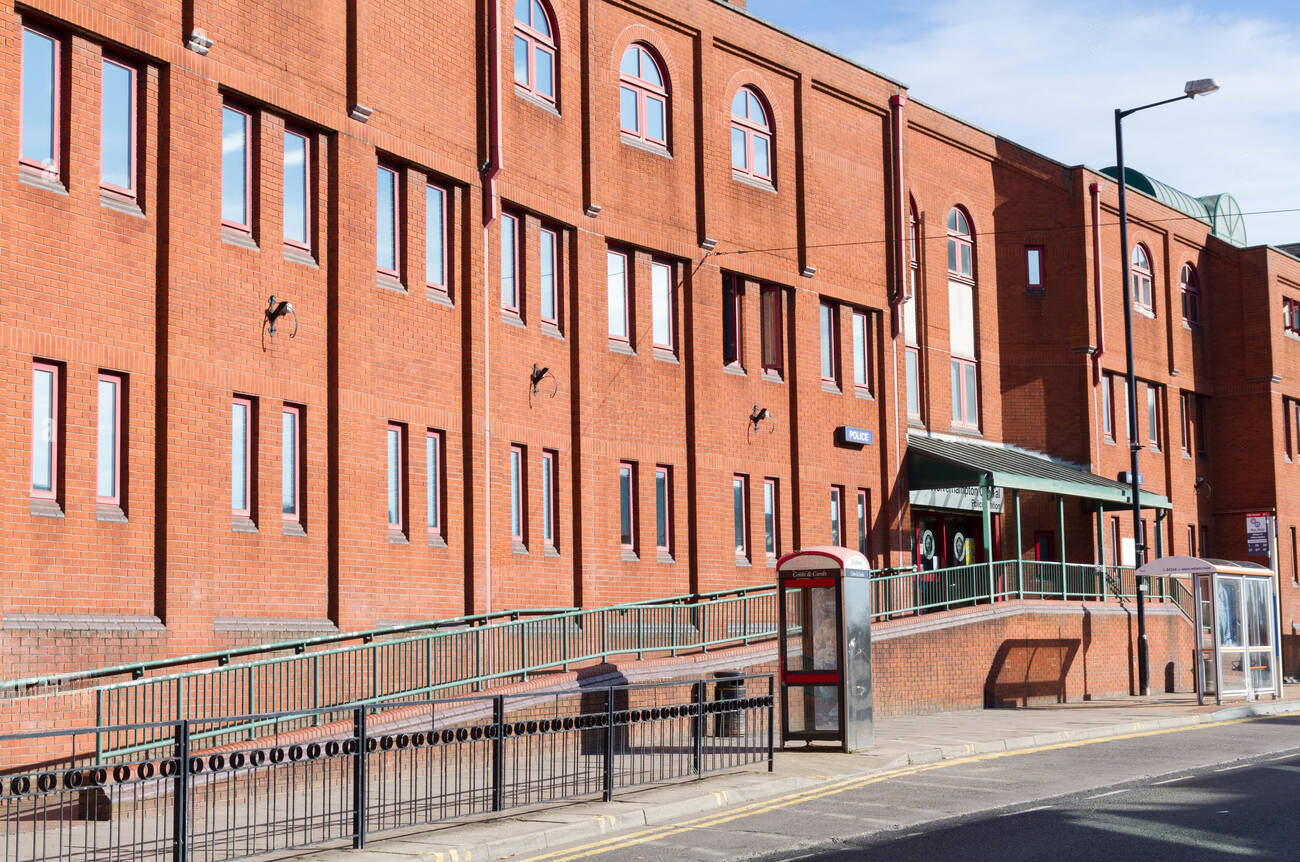
The existing station building has been retained and repurposed as an exit only facility, while the new development provides a significantly enhanced passenger experience.
Infrastructure and Connectivity
The scheme includes new bridges spanning both the live railway line and the Birmingham and Worcester Canal, forming a critical piece of infrastructure that improves access, safety and connectivity.
New wider entrances, stairways and exits now better serve the University of Birmingham and Queen Elizabeth Hospital campus. Increased concourse space improves circulation and waiting areas, while lifts to the platforms provide step free access for all users.
The main pavilion building also incorporates space for a café or convenience retail unit, alongside an NHS facility on the first floor, further strengthening the station’s role as a civic gateway.
A Collaborative Achievement
The project was delivered through extensive collaboration with Transport for West Midlands, the West Midlands Combined Authority, the West Midlands Rail Executive, the University of Birmingham, the NHS University Hospitals Birmingham Trust, Birmingham City Council, the Department for Transport, Network Rail, West Midlands Trains and Cross Country Trains.
University Station demonstrates how infrastructure can combine architectural clarity, environmental sensitivity and long term community benefit.
We extend our congratulations to all partners and project contributors on this recognition.