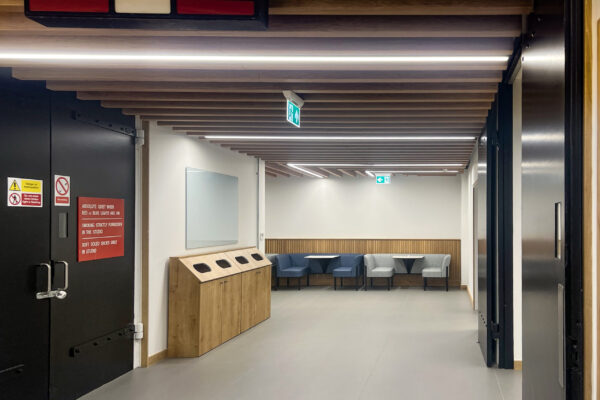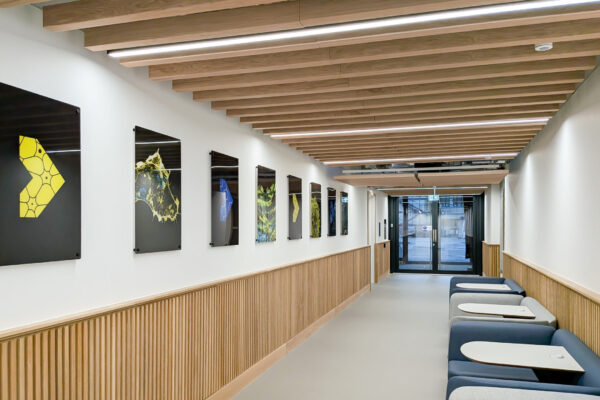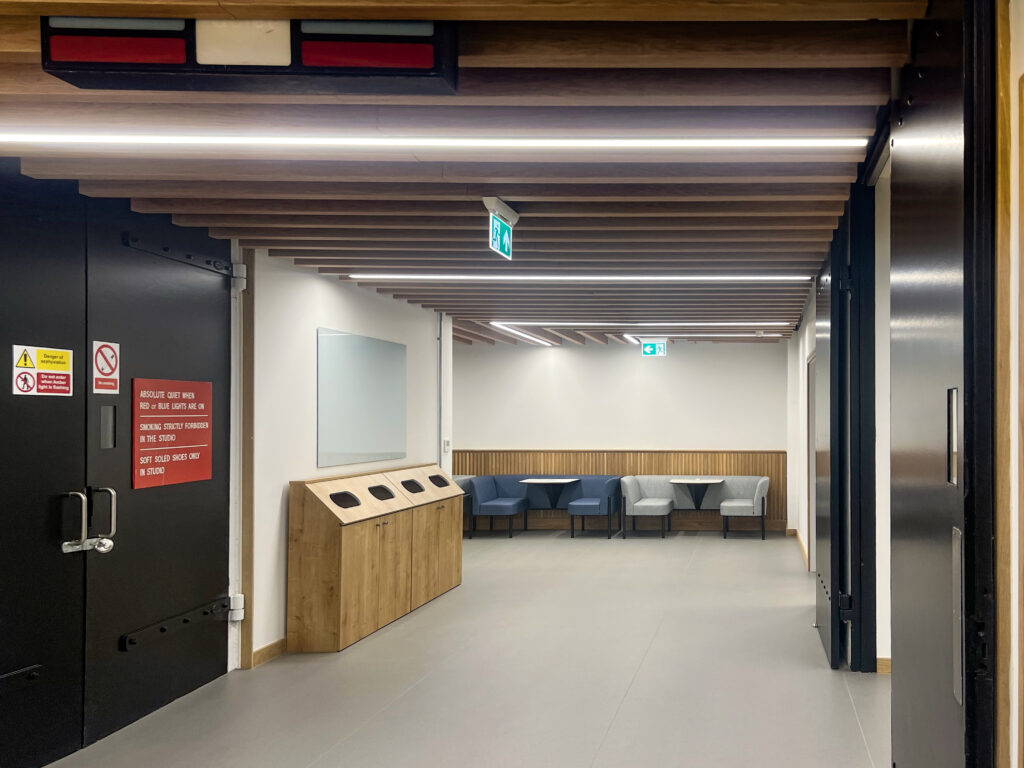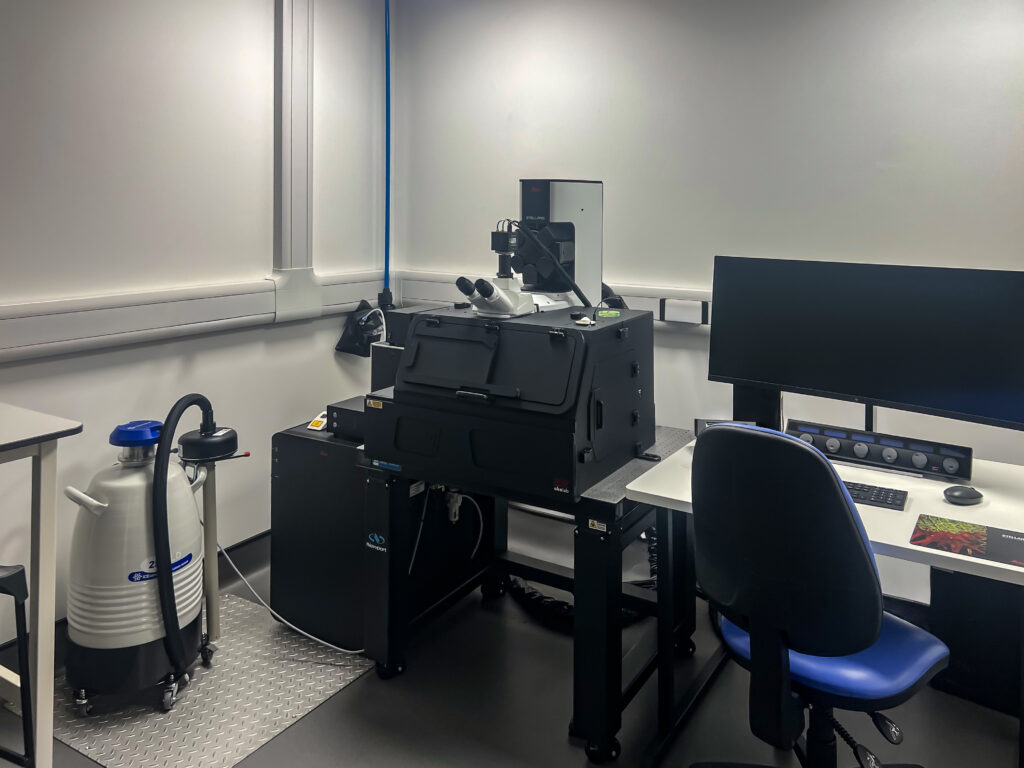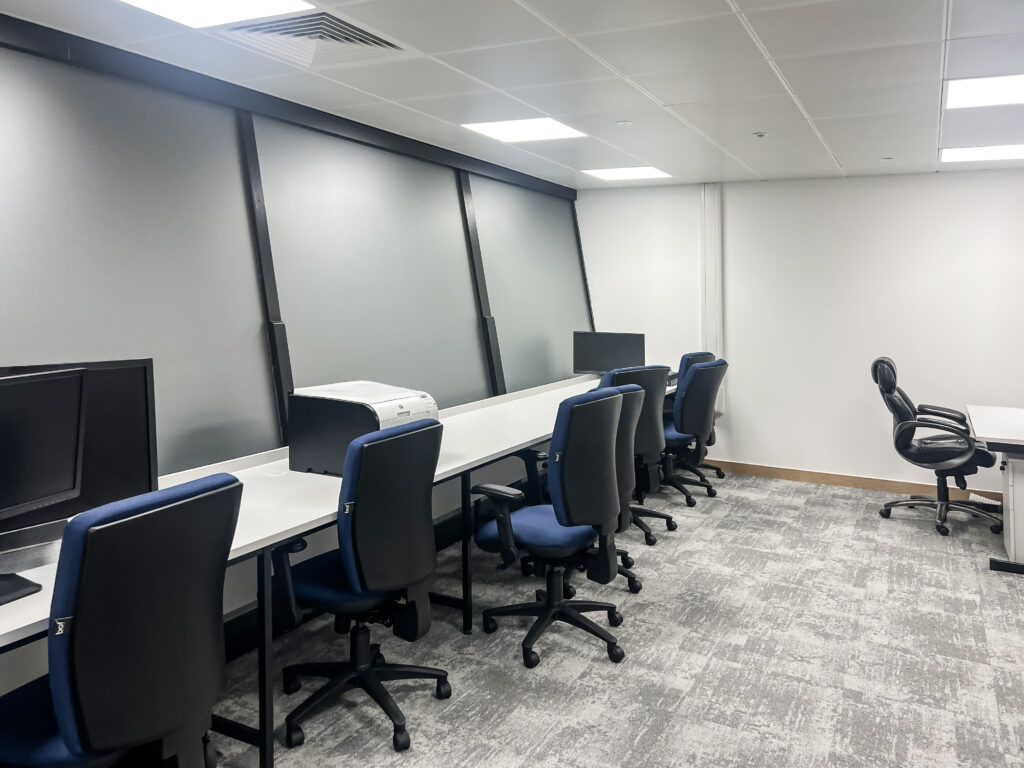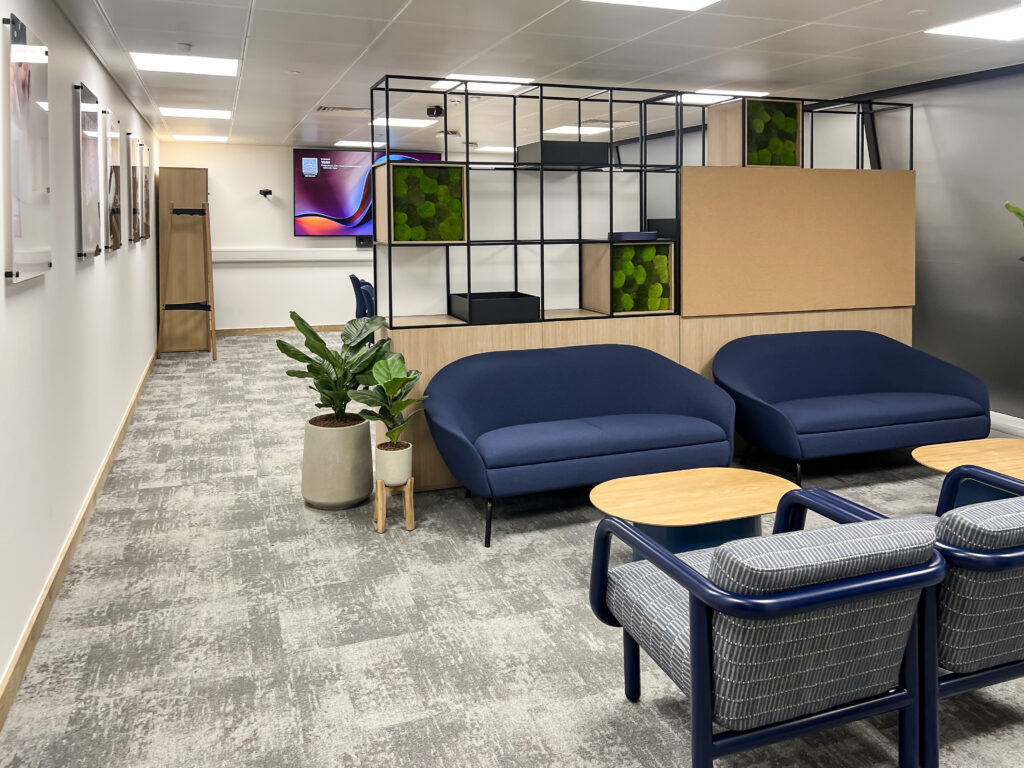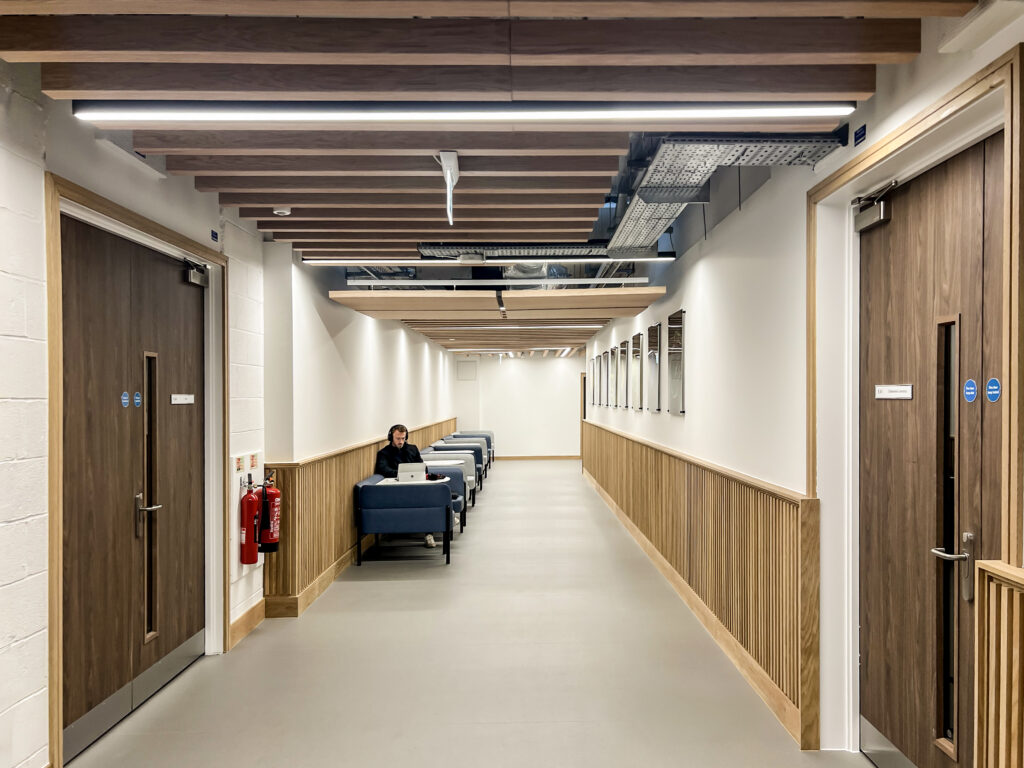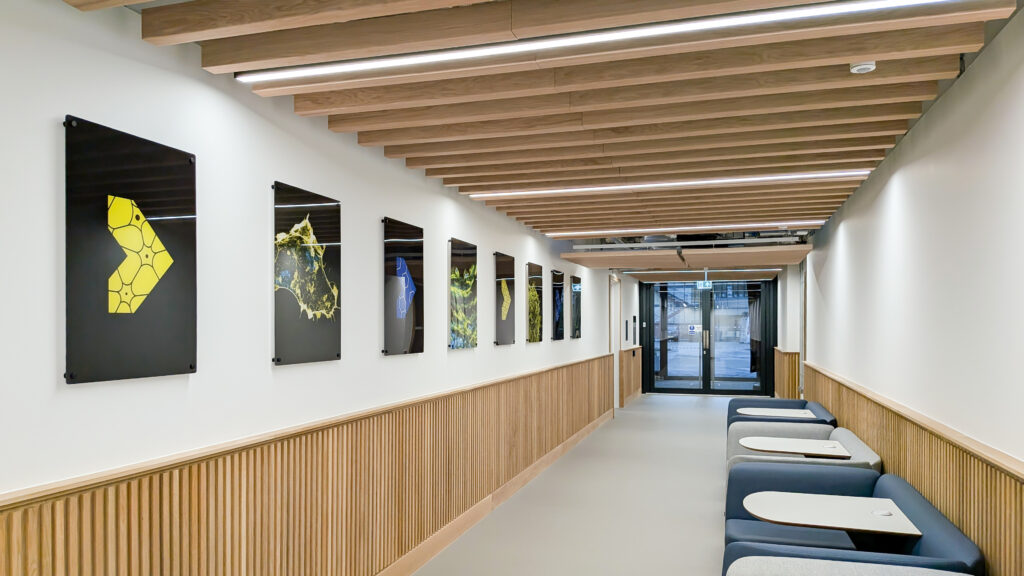


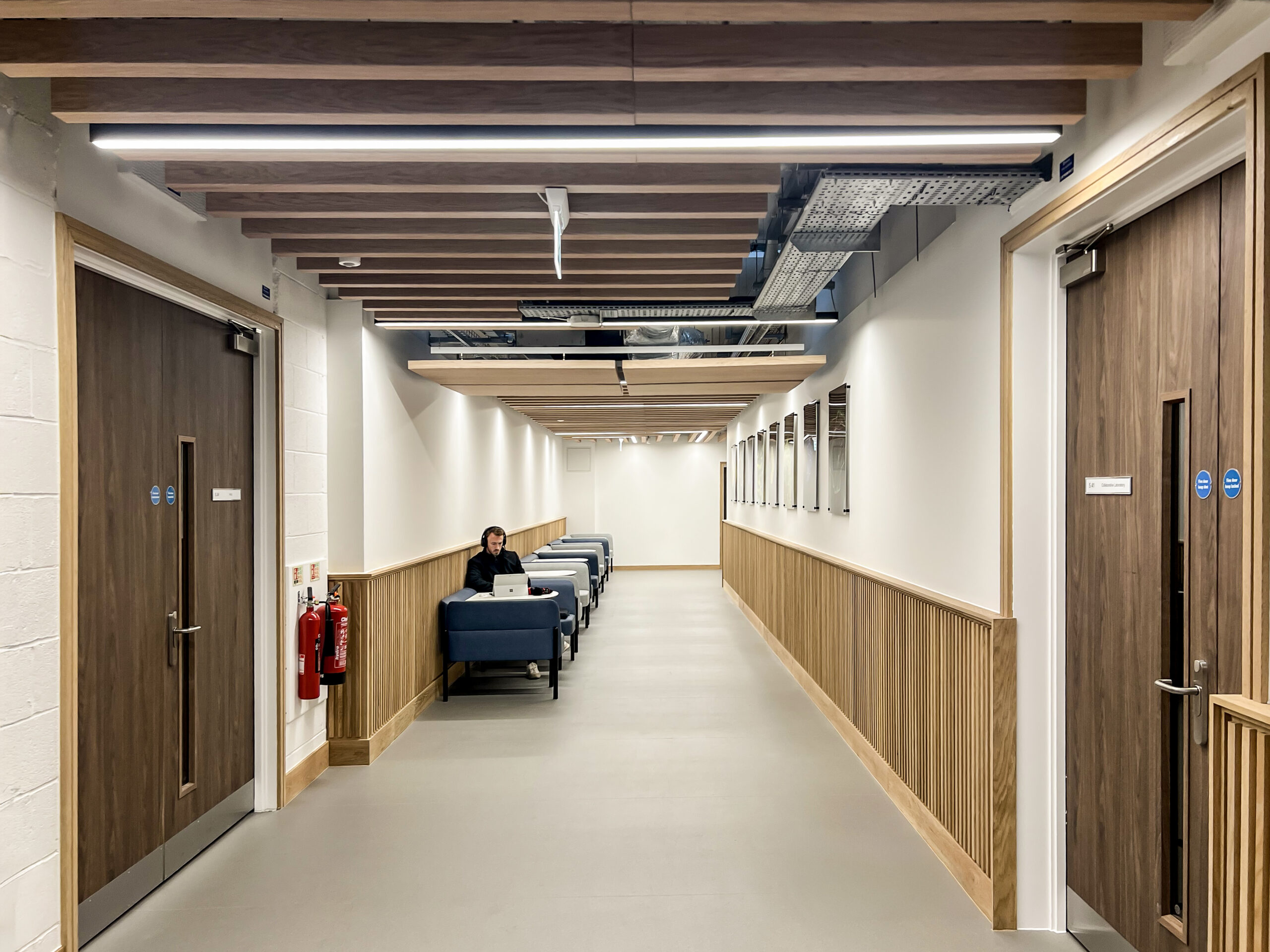
We are happy to see the completion of the Cheney Biomedical Accelerator at the University of Leeds, marking the close of the first phase of the Discovery Science Masterplan developed with the University’s Faculty of Biological Sciences and Faculty of Medicine and Health.
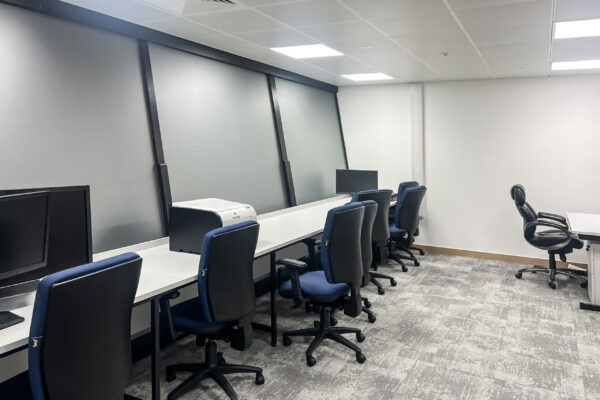
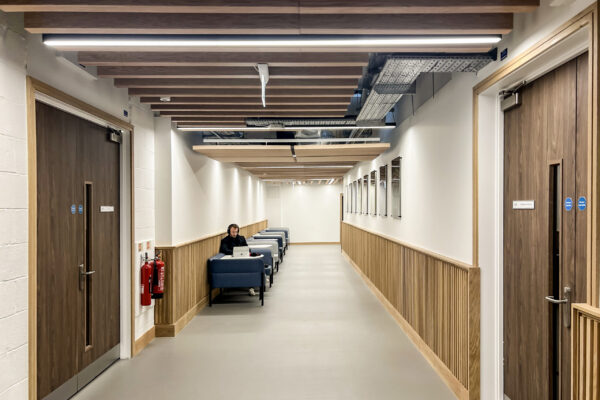
Located across Levels 5 and 6 of the Grade II* listed Roger Stevens Building, the project has transformed existing accommodation into a highly specialised biomedical research environment. Main construction works were completed by Sewell Construction in summer 2024, with the facility officially opened in September by donors Peter and Susan Cheney.
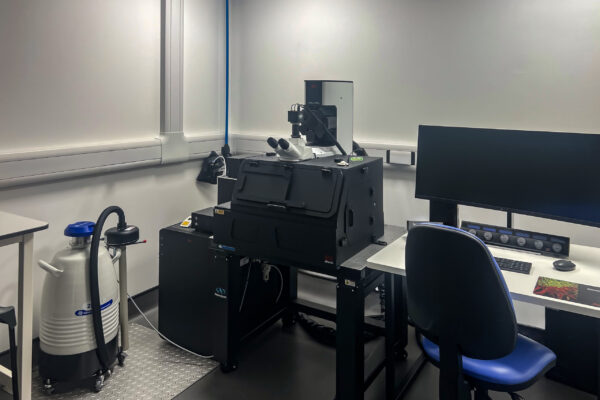
The Cheney Biomedical Accelerator brings together the University’s advanced bioimaging and flow cytometry laboratories within a single, purpose designed setting. Installation of state of the art confocal and widefield imaging equipment is now complete, following a £1.1 million investment from the Wolfson Foundation. Collectively, this places the facility among a small number of UK university environments able to accommodate this scale and range of advanced imaging technologies under one roof.
The Accelerator is designed to support in situ biology, enabling researchers to study disease at the scale of individual cell structures and observe how those structures respond to both disease and treatment. Research already underway at Leeds is investigating early stages of conditions including Alzheimer’s, cardiac disease and viral infections, with the facility providing the spatial, technical and collaborative infrastructure needed to accelerate discovery.
Beyond its technical capabilities, the project supports a wider ambition to encourage interdisciplinary research and collaboration. The Accelerator forms part of a broader research ecosystem at Leeds, complementing multi-disciplinary centres such as the Astbury Centre for Structural Molecular Biology and connecting with innovation and clinical research partners across the University and region.
Working within a listed building and delivering highly sensitive laboratory environments presented a complex technical challenge. Associated Architects provided Architecture, CDM, BRPD and Technical Advisory services throughout the project, balancing heritage constraints with the demanding servicing, vibration control and environmental requirements of advanced biomedical research.
We are grateful to our collaborators CPW, Roscoe, Arcadis and Edge PS, along with the University’s Faculty and Facilities Directorate teams, whose expertise and commitment were essential to the project’s success. The Cheney Biomedical Accelerator represents an important step in strengthening Leeds’ research infrastructure and supporting new approaches to tackling global health challenges.